Row-a-thon raises over $15,000 for Row to Grow programs across BC What is the Row…
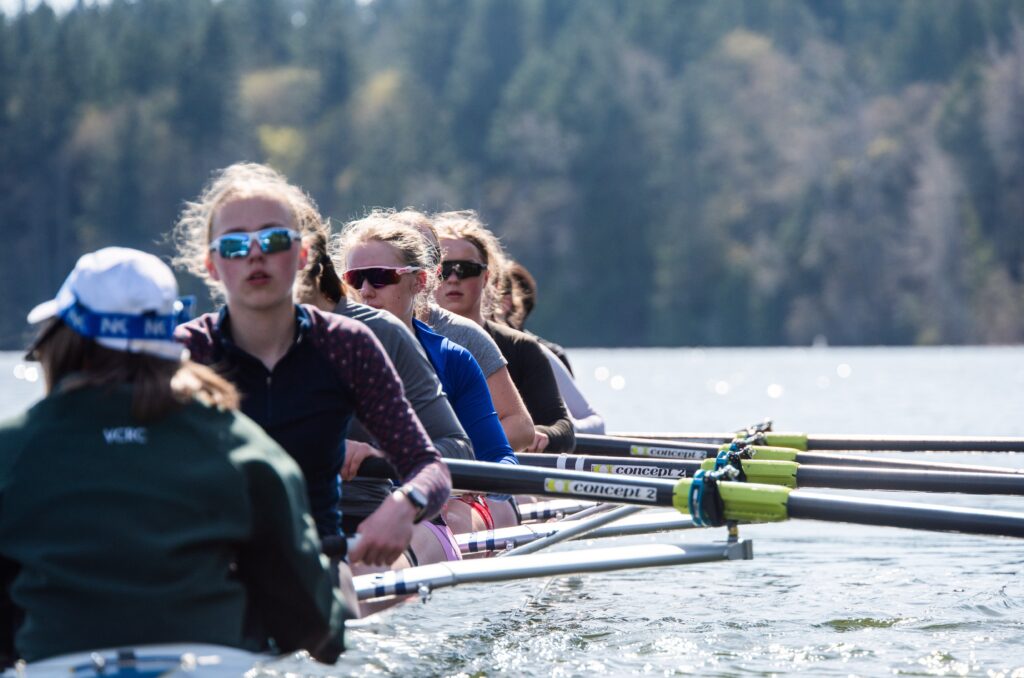
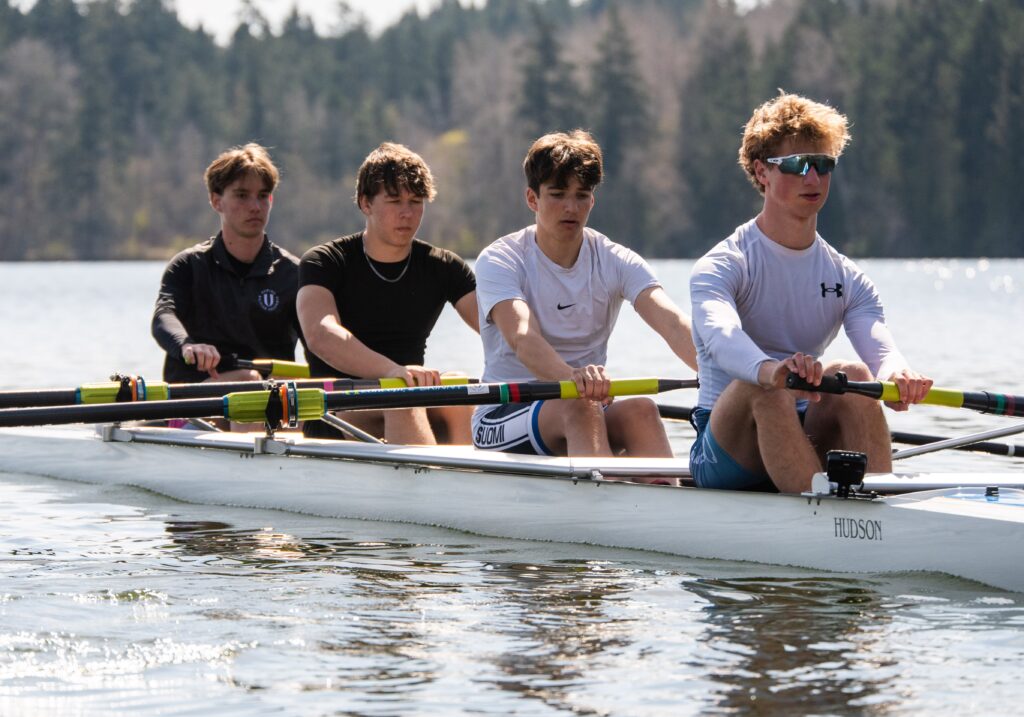
Photo Credit: Algis Masys
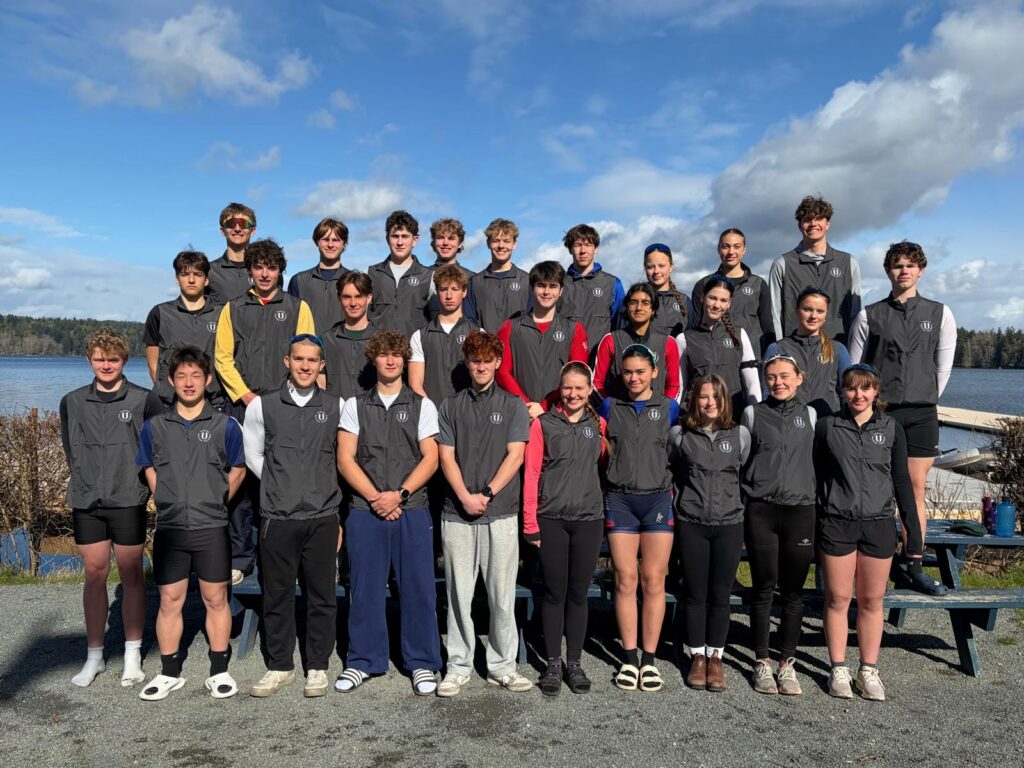
This past week, Rowing BC hosted its annual March Break Performance Camp at the BC NextGen Performance Centre (BCNGPC) in Victoria. The camp brought together 28 athletes and 4 coaches representing 10 different programs from across the province. Athletes were selected to attend the camp based on having met Rowing BC’s Junior performance standards.
Rowing BC’s Junior Performance Camps are designed for performance-focused athletes in the Long-Term Athlete Development (LTAD) Train to Compete stage. These camps provide valuable opportunities for BC’s top junior athletes to train alongside some of the province’s most promising emerging talent. Many participants are pursuing goals at the highest levels of the sport, including the BC Championships, Junior National Team Trials, the Continental Challenge Cup, and the Junior World Championships.
The camp began on Thursday morning with Canadian Sport Institute physiologists administering a submaximal lactate step test. The results were used to generate individualized performance profiles, including wattage and heart rate targets for aerobic training zones (C6–C5), as well as identifying each athlete’s lactate threshold at approximately 4.0 mmol. These results were compared to data collected during Rowing BC’s November Camp, allowing athletes and coaches to assess training effectiveness and better inform future programming. The day concluded with lunch followed by an afternoon on-water session in mixed crews.
Friday opened with an in-depth technical review led by Rowing BC Director of Performance, Terry Paul. Key technical trends were identified, and athletes were introduced to a series of targeted drills to be applied during the morning’s on-water sessions. Crews were frequently rotated, with athletes rowing in a variety of boat classes, including singles, pairs, doubles, quads, and eights.
In the afternoon, athletes participated in a mental performance workshop led by Canadian Sport Institute’s Geoff Hackett. The session focused on effective goal setting and developing a strong performance mindset. Athletes were introduced to practical mental skills and strategies to support both training and competition, with particular emphasis on preparation for Sunday’s racing and the upcoming season.
Saturday featured a demanding training schedule, beginning with a 22 km on-water session. The group then travelled to the Gorge to watch the annual UVIC vs. UBC Brown Cup races, providing valuable exposure to high-performance university rowing. Returning to Elk Lake in the afternoon, athletes completed a standardized field test, including a 1000m piece at rate 24 and three maximum watt tests on the ergometer. The day concluded with a 14 km aerobic row, reinforcing the technical themes introduced earlier in the camp.
Sunday, the final day, focused on racing. Crews were formed based on coach observations throughout the camp. The morning session included a 14 km pre-race row, during which athletes executed race warm-ups and discussed race strategies—an opportunity to apply the mental performance skills introduced earlier.
The camp concluded with the traditional 2 x 1500 m races. Crews were organized into two waves and started in a staggered format based on gold medal standard benchmarks for each boat class. This handicapped approach aimed to create competitive, side-by-side racing over the final 500 meters. Events included W1x, W4-, W4x, and M2x in the first wave, followed by two closely matched men’s fours and a men’s eight in the second wave.
Racing was highly competitive, with tight finishes and strong performances across all crews. The camp concluded with a wrap-up meeting and awards presentation. The men’s four crew of Ethan Goldberg, Theo DeFelice-Oinonen, Nathaniel McPherson, and Oliver Paul earned top honors for achieving the highest combined percentage relative to gold medal standard. Additional recognition was given to Sierra Goldberg Goris and Andrie Stavaranski for setting new junior max watt records.
Overall, the camp successfully achieved its goal of bringing together performance athletes to assess their physical and technical development while building new mental performance skills. Athletes formed new connections, developed their abilities, and challenged one another in a competitive environment. It is hoped that both athletes and coaches return to their home programs with renewed energy and ambition, helping to elevate the standard of youth rowing across British Columbia.
Find out more about Rowing BC support for Performance Athletes HERE.

Related Posts